Valencia


Currency
EUR
Language
Spanish, Valencian
Timezone
Madrid
Continent
Europe
Discover Valencia
Valencia diverted its river after the 1957 flood and turned the empty bed into a nine-kilometre park running through the city — the Jardí del Túria is the most successful piece of urbanism in Spain. At its end, Calatrava's Ciutat de les Arts i les Ciències lines up its white shells. In the old town, the Silk Exchange, the Gothic hall of the silk trade, is on the World Heritage list. Valencia Cathedral keeps the chalice venerated as the Holy Grail. The Central Market, a modernist hall of 1928, is still a working market, and the Torres dels Serrans guard the old walls.
When to go
March to June and September to November: twenty to twenty-eight degrees, the sea still warm in October. July and August are hot and humid, with a crowded beach. Winter stays mild, around seventeen degrees by day. Fallas week, in mid-March, fills the city with monumental sculptures burned on the last night — spectacular, extremely loud, and hotels double their prices.
Getting around
The historic centre is walked. The Jardí del Túria is for bicycles and the city is flat, which makes cycling obvious — Valenbisi covers the whole centre. Metro and tram reach the beach and the airport. La Malvarrosa is twenty minutes from the centre. For the Albufera, the lagoon to the south where paella was born, bus 25 reaches El Palmar in an hour.
Where to eat
Paella was born here, with rice, rabbit and chicken, never seafood in the Valencian version — the point is not trivial locally. It is eaten at midday, not in the evening. Horchata, a tiger-nut drink served with fartons, belongs to late afternoon. The Central Market has supplied the city for a century. Three halal addresses are listed.
Good to know
The euro is the currency. Spanish hours apply: lunch at two, dinner at nine, and many shops close in the afternoon. The Silk Exchange and several municipal museums are free on Sundays. Fallas must be booked months ahead. And the city saw major flooding in October 2024 in its southern outskirts: the centre is intact, some neighbouring towns much less so.
Where to Stay in Valencia
Top Activities in Valencia
 landmark
Silk Exchange
 landmark
Ciutat de les Arts i les Ciències
 landmark
Valencia Cathedral
 landmark
Reina Sofia Palace of the Arts
 landmark
Central Market
 activity
Oceanogràfic of Valencia
 museum
Museu de Belles Arts de València
Free
 landmark
Valencia - North Station
 museum
Casa Museu Benlluire
 museum
L'ETNO - Museu Valencià d'Etnologia
 landmark
Torres dels Serrans
 museum
Valencian Institute of Modern Art
Free
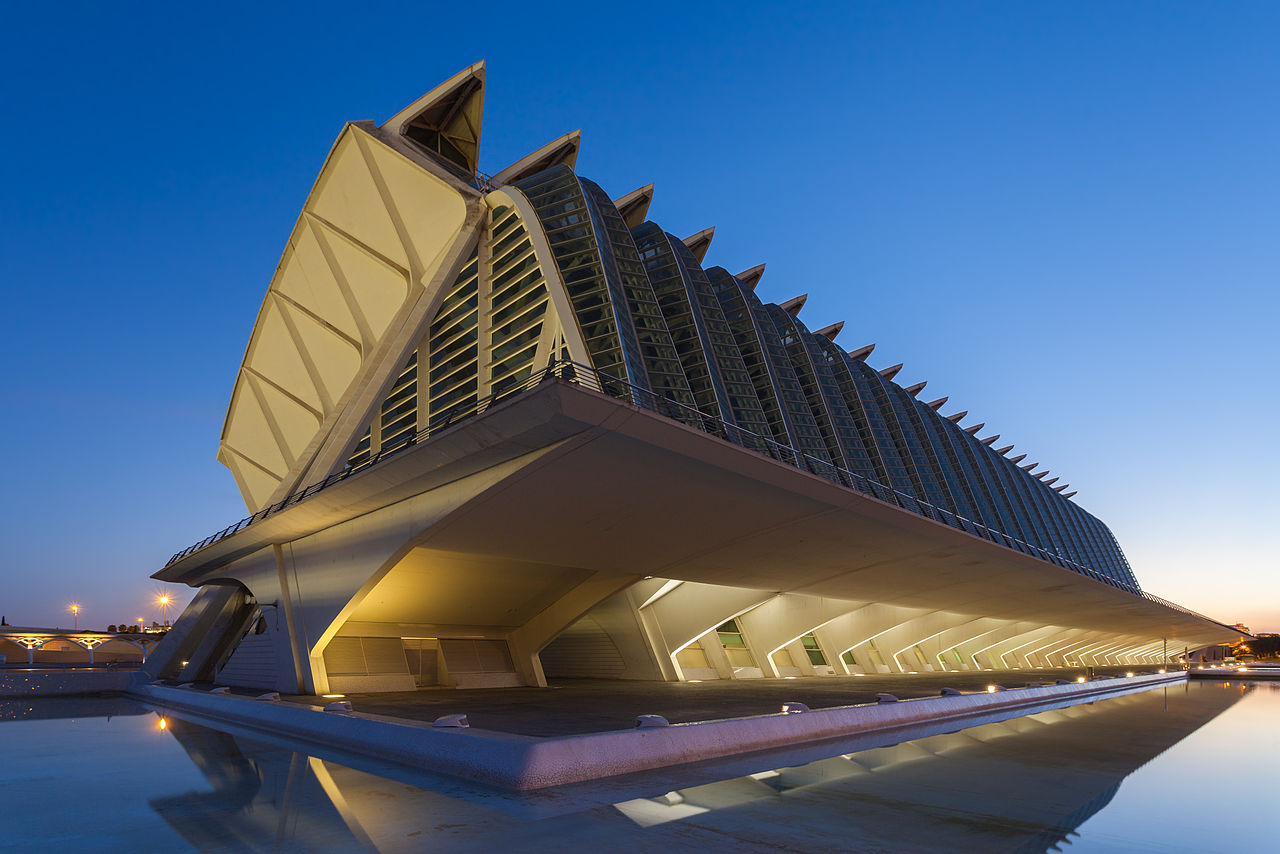 museum
Príncipe Felipe Science Museum
 landmark
Mercat de Colón
 landmark
València Joaquín Sorolla
 landmark
Botanic Garden of University of Valencia
 museum
Museu de Prehistòria de València
 landmark
Banys de l'Almirall
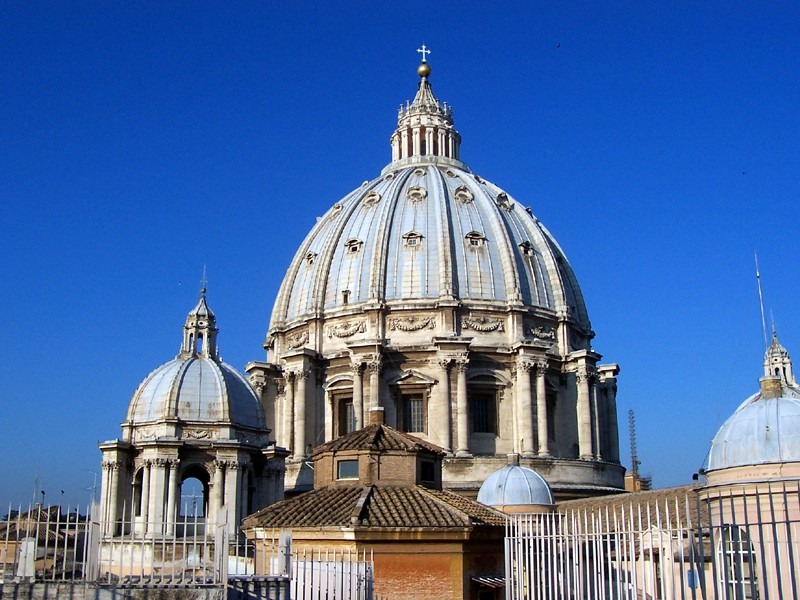 landmark
Spanish Episcopal Conference
 landmark
Royal Parish of the St Johns
 landmark
Valencia Bullring
museumCentre Museístic la Beneficiència
 museum
Museo de los Soldaditos de Plomo L'Iber
 landmark