Salvador


Currency
BRL
Language
Portuguese
Timezone
Bahia
Continent
South America
Discover Salvador
Salvador was Brazil's first capital and the first slave port of the Americas, and the city that came out of it is the most African on the continent. The Historic Centre of Salvador de Bahia — the Pelourinho — lines up pastel fronts and baroque churches on the upper town, inscribed on the World Heritage list; its name is the whipping post where slaves were flogged, and the city does not hide it. The Elevador Lacerda, a public lift of 1873, drops the seventy-two metres between upper and lower town in thirty seconds. The Igreja Senhor do Bonfim, covered in votive ribbons tied by the faithful, is where Catholicism and Candomblé meet. The Barra Lighthouse closes the bay to the south.
When to go
September to March: hot, around thirty degrees, a sea at twenty-six. Salvador's carnival, in February, is the largest in the world by participation — two million people in the street behind sound trucks, and nothing like Rio's: here you walk, you do not watch. April to July is the rainy season, with short downpours. The heat never really drops.
Getting around
The Pelourinho is walked, constantly uphill and on uneven cobbles. The Elevador Lacerda links the two levels for a few cents and runs all day. Buses cover the city, the metro serves the newer corridors. Uber is widespread and advisable at night. The coast, from Ondina to Itapuã, runs some twenty kilometres of beach by bus or car.
Where to eat
Bahian cooking stands apart in Brazil: red palm oil, coconut milk, chilli and dried shrimp. Acarajé, a bean fritter fried in dendê oil and filled with vatapá, is sold in the street by Baianas in white dress — it is a Candomblé ritual dish as much as a snack. Moqueca, fish stewed in coconut milk, is shared. Two halal addresses are listed.
Good to know
The real is the currency and cards are widely taken, small traders included. Three sites and museums are free. Care is due: wear no visible jewellery, carry little cash, and travel by car at night — the Pelourinho is patrolled, its edges less so. Candomblé ceremonies are attended by invitation and rarely photographed: always ask.
Where to Stay in Salvador
Top Activities in Salvador
 landmark
Historic Centre of Salvador de Bahia
 landmark
Elevador Lacerda
Free
 landmark
Igreja Senhor do Bonfim
 landmark
Escola Olodum
 landmark
Barra Lighthouse
 landmark
Capela das Relíquias
Parque Zoobotânico Getúlio Vargas
Free
Memorial Irmã Dulce
 landmark
Terreiro de Jesus
 museum
Museu de Arte Moderna da Bahia
 landmark
Praça da Sé
 landmark
Forte de Santa Maria
 beach
Porto da Barra Beach
Free
 landmark
Forte de São Marcelo
 landmark
Igreja da Ordem Terceira da Santíssima Trindade
 landmark
Nossa Senhora da Conceição da Praia
 landmark
Igreja São Pedro dos Clérigos
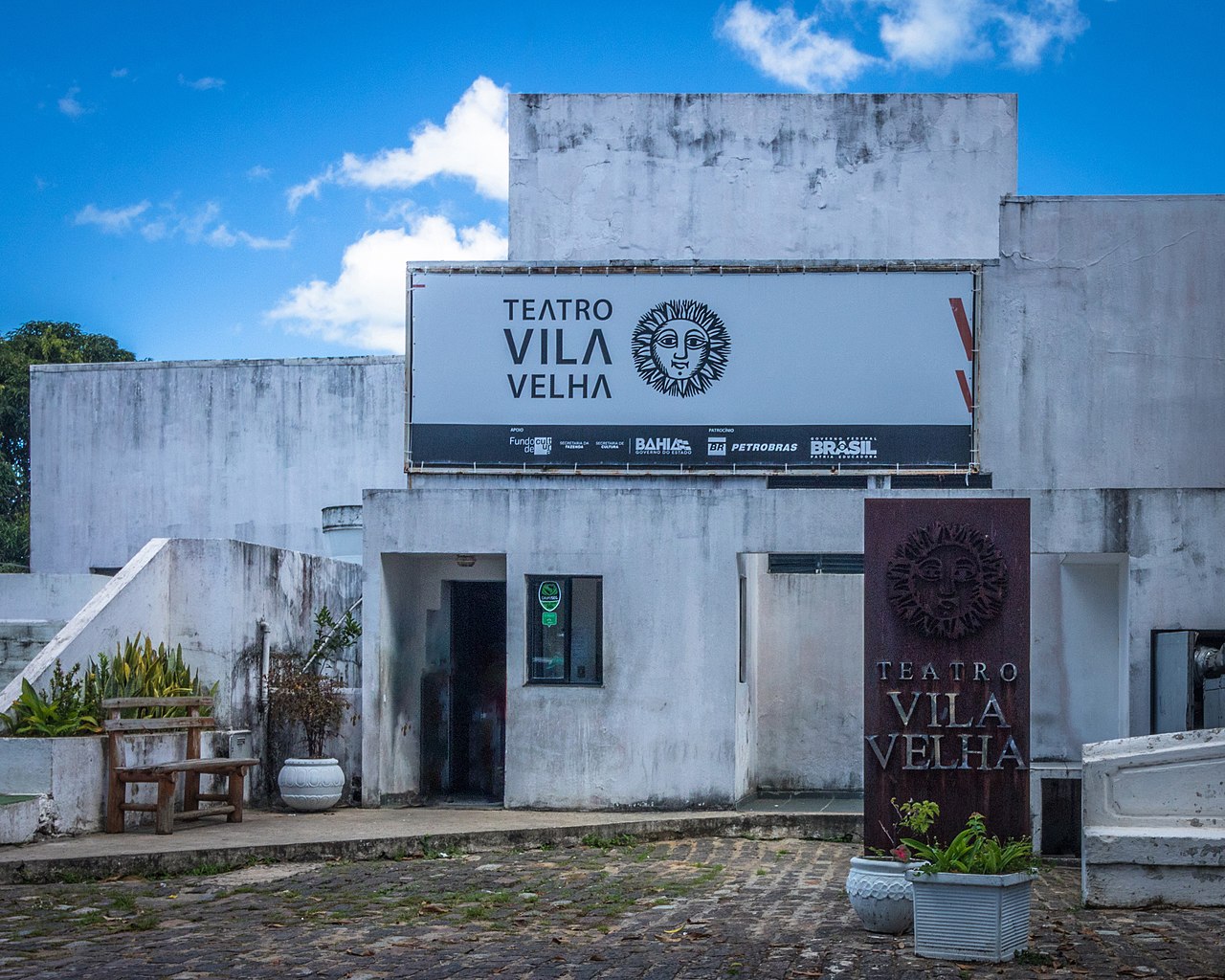 landmark
Teatro Vila velha
 landmark
Mosteiro de São Bento
 landmark
Forte de Monte Serrat
Teatro Castro Alves
Casa de Oxumaré
Museu Carlos Costa Pinto
 landmark