Kyoto


Currency
JPY
Language
Japanese
Timezone
Tokyo
Continent
Asia
Discover Kyoto
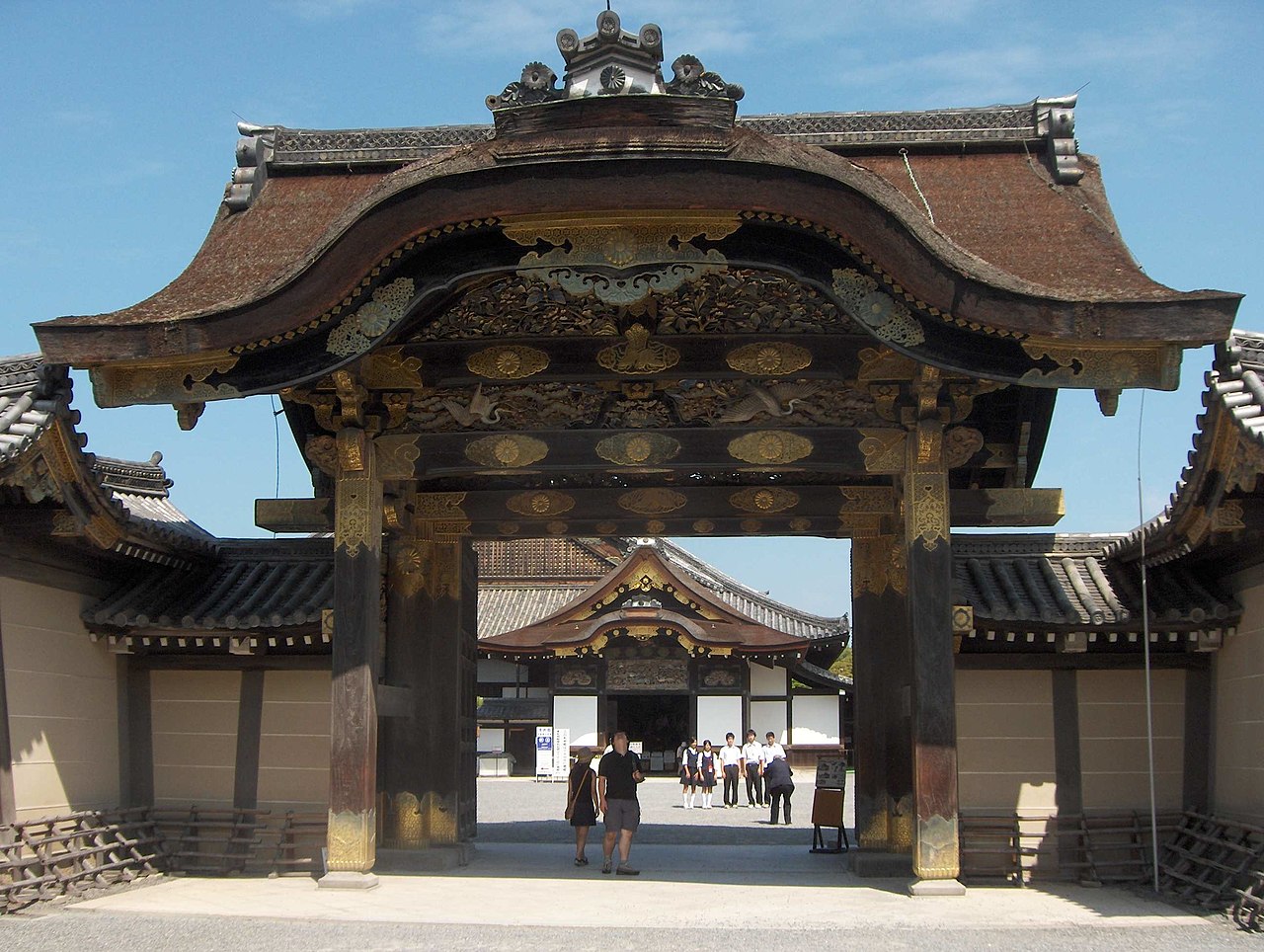
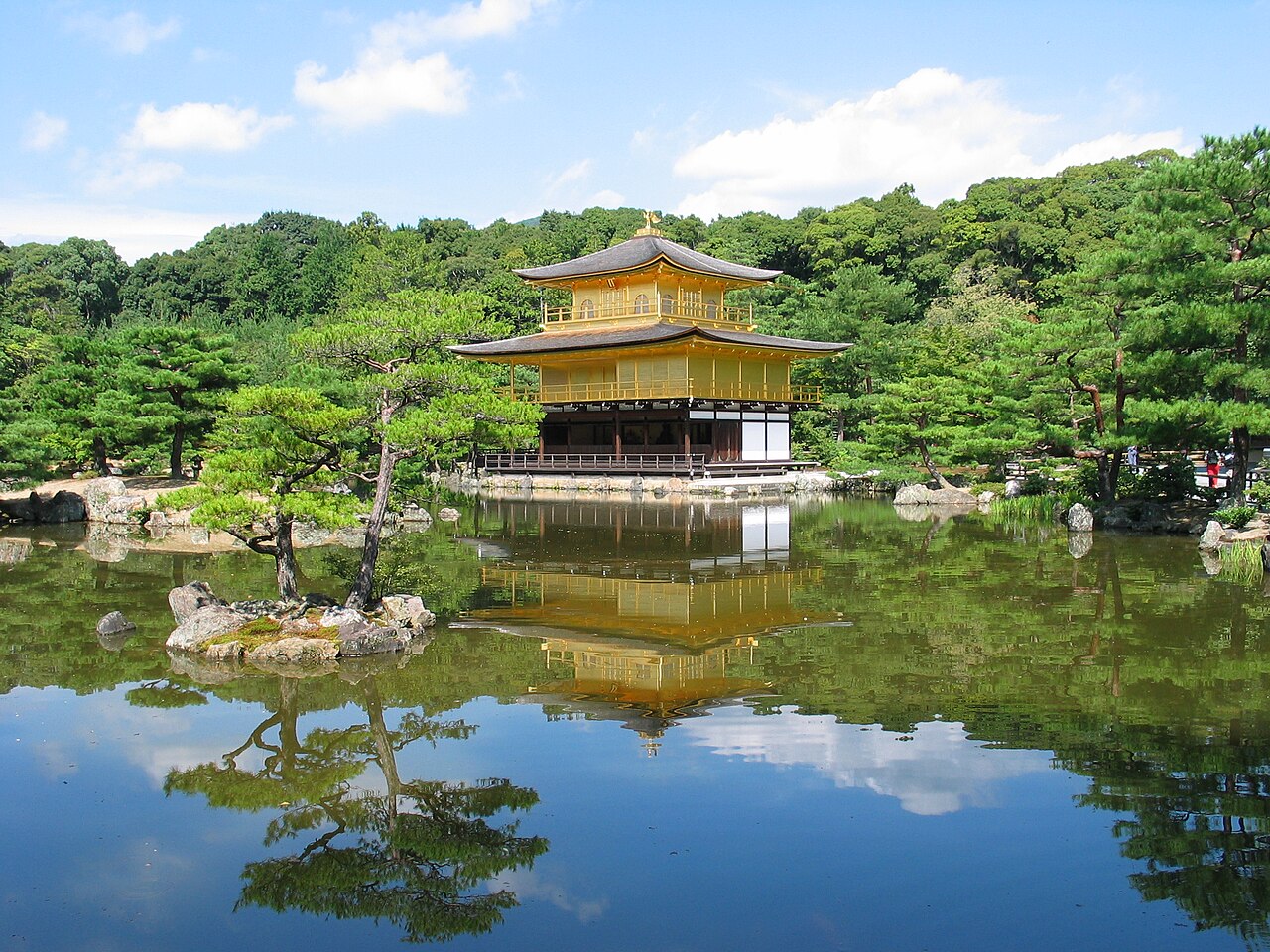
Kyoto was Japan's capital for over a thousand years and was never bombed, which is why the temples here are counted in hundreds. Kiyomizu-dera reaches out on a wooden terrace built without a nail, Kinkaku-ji sets its gold pavilion on a pond, Ryōan-ji reduces its garden to fifteen stones on raked gravel. Nijō Castle, the shoguns' residence, keeps floors designed to sing underfoot and betray intruders. To the south, Fushimi Inari-taisha runs thousands of vermilion gates up a hillside. To the west, the Arashiyama Bamboo Grove closes over the sky.
When to go
Late March to early April for the cherries, mid-November to early December for the maples: the two peaks of beauty and the two peaks of crowding, with rooms booked months ahead. May, early June and late September give nearly as much without the crush. Summer is hot and very humid — Kyoto sits in a basin and the air does not move. Winter is cold, dry and remarkably quiet; snow on a temple roof justifies the trip by itself.
Getting around
The subway has only two lines: buses carry the city, and they fill up. A rechargeable IC card saves hunting for coins at every boarding. Cycling is excellent — Kyoto is flat, laid out on a grid since the 8th century, and reads like a map. Trains run west to Arashiyama and south to Fushimi; each of those is a half-day.
Where to eat
Kyoto's cooking is vegetable before it is maritime: shōjin ryōri from the Buddhist temples, yudofu — poached tofu served scalding — and obanzai, small dishes of seasonal vegetables. Nishiki Market lines up counters for several hundred metres and is best crossed slowly. The matcha comes from Uji next door and is drunk here more than anywhere. No halal address is listed in our data: that is a real constraint, worth planning for before arrival.
Good to know
Cash is still needed in small establishments and at many temple gates. Shoes come off at the entrance to wooden buildings — footwear that slips off easily changes the day. In Gion, some lanes are private and photography is banned there under threat of a fine: the rule exists because geiko work in them and were being chased down the street. Temple days also end well before the city's does: mornings are when they are seen, and the only time the busiest ones are quiet.
Where to Stay in Kyoto
Top Activities in Kyoto
 landmark
Nijō Castle
 landmark
Ryōan-ji
 landmark
Kinkaku-ji
 landmark
Kiyomizu-dera
from €3
 landmark
East Temple
 landmark
Ginkakuji
 landmark
Ninna temple
 landmark
Kamigamo Shrine
Free
 landmark
Historic Monuments of Ancient Kyoto (Kyoto, Uji and Otsu Cities)
 landmark
Fushimi Inari-taisha
Free
 landmark
Shimogamo Shrine
Free
 landmark
Tenryū Temple
 landmark
Saihō Temple
from €18
 landmark
Nishi-Hongan-ji
Free
 landmark
Kyoto Imperial Palace
 landmark
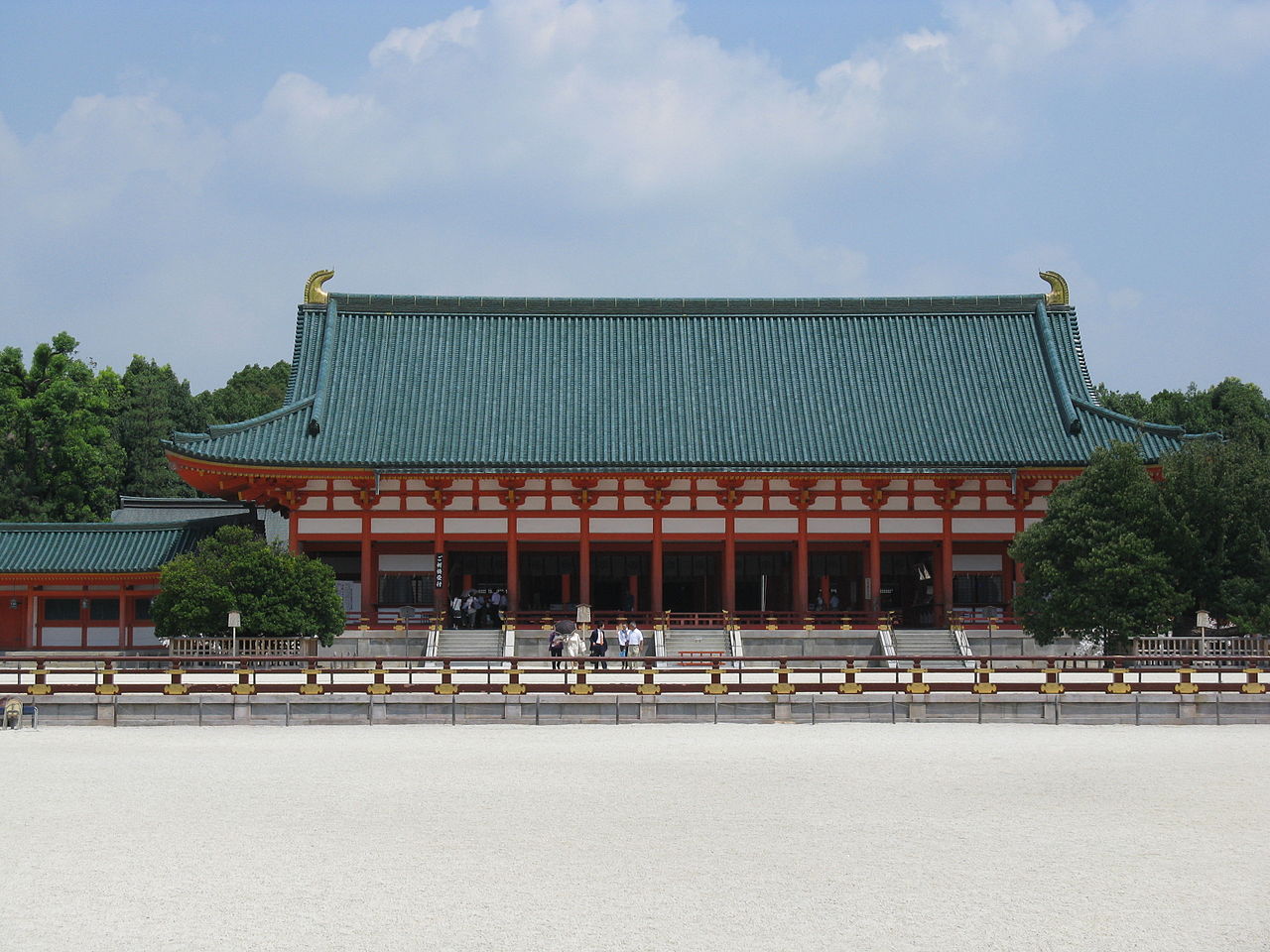
Heian Shrine
Free
 landmark
Kousanji Temple
 landmark
Kyoto
 landmark
Kyoto Tower
 landmark
Yasaka Shrine
Free
 landmark
Tōfuku-ji
 landmark
Nanzen-ji
 museum
Kyoto National Museum
 landmark