Budapest

Currency
HUF
Language
Hungarian
Timezone
Budapest
Continent
Europe
Discover Budapest
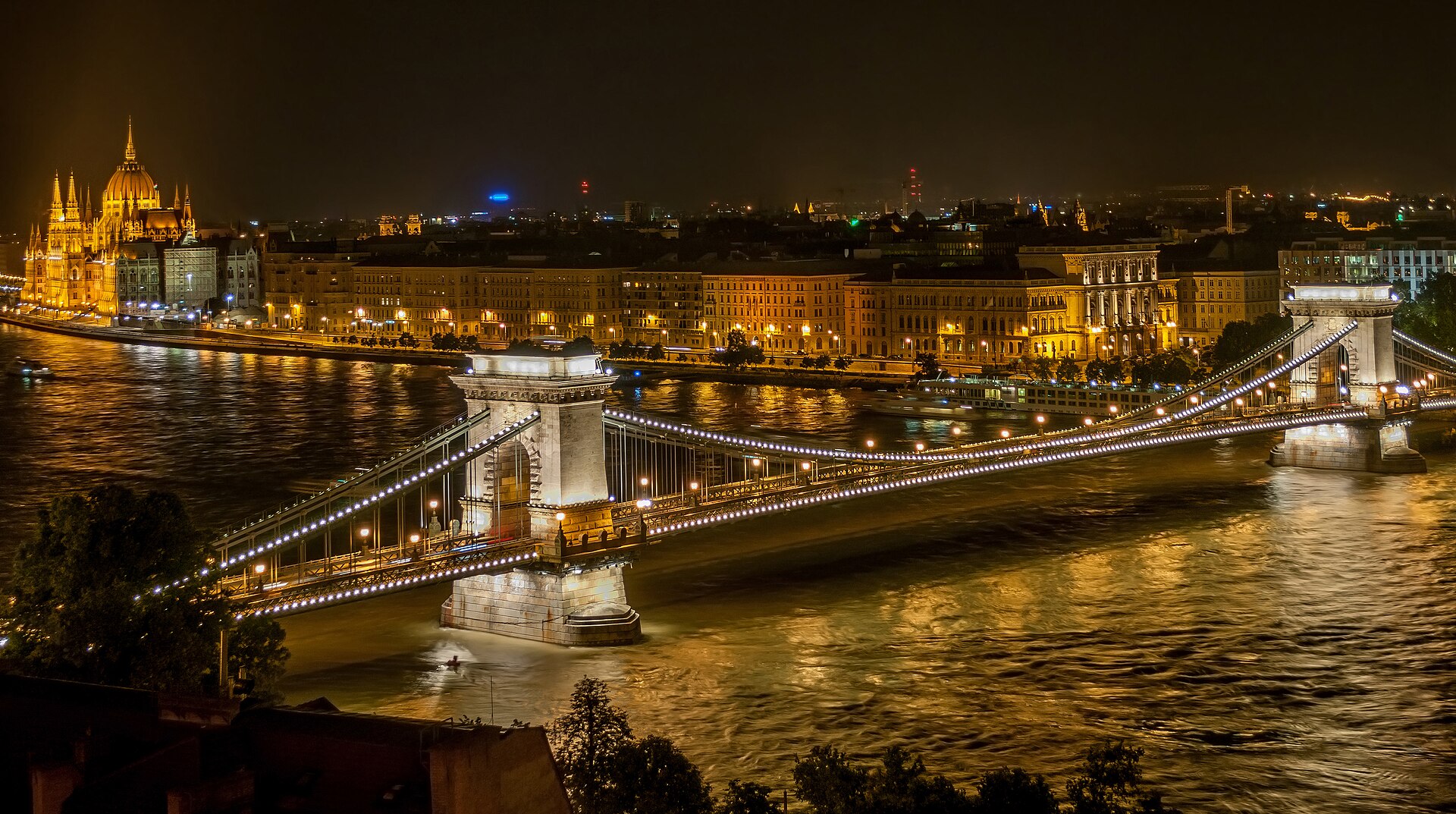
Budapest is two cities a river eventually joined: Buda on the hills of the western bank, with its castle and the Fisherman's Bastion, and flat Pest on the other side with the Parliament and the grand boulevards. The Széchenyi Chain Bridge, opened in 1849, was the first permanent link between them.
When to go
April to June, September to October. Summer is hot and heavy, winter properly cold — which is exactly the season for the thermal baths, whose point becomes obvious when it is freezing outside.
Getting around
Budapest has continental Europe's oldest metro: line 1, opened in 1896, still runs through its original stations. The centre walks, but Buda means climbing — funicular or bus for the castle.
Where to eat
Goulash is a soup here, not a stew, and paprika goes into nearly everything. The Great Market Hall is worth it for the ground-floor stalls rather than the tourist counters upstairs. Ruin bars, set up in abandoned buildings, are a local invention — Szimpla Kert was the first and is still the best known.
Good to know
The forint is the currency, not the euro: euro prices posted in the centre hide poor rates. The Széchenyi and Gellért baths charge by the day and deserve a full half-day. Six halal addresses are listed.
Where to Stay in Budapest
Top Activities in Budapest
 landmark
Széchenyi Chain Bridge
 landmark
Parliament Building
 landmark
St. Stephen's Basilica
 landmark
Matthias Church
 landmark
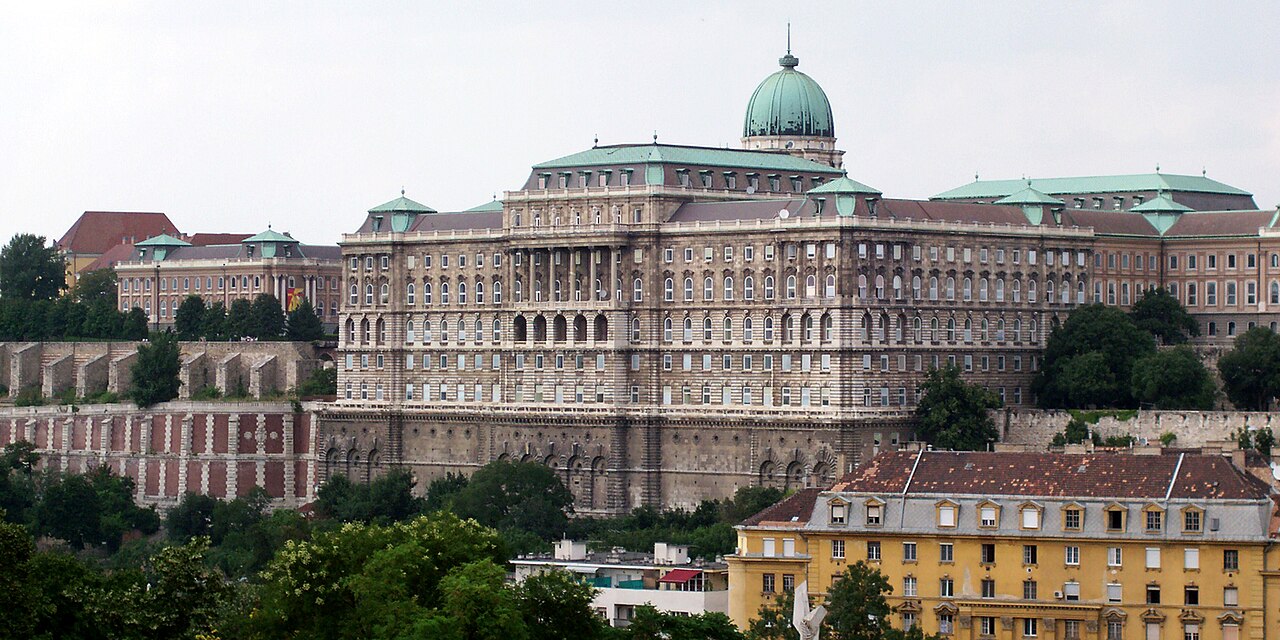
Buda Castle
 landmark
Fisherman's Bastion
 landmark
Heroes' Square
 landmark
Hungarian State Opera House
 landmark
Hungarian Academy of Sciences
 landmark
Dohány Street Synagogue
 museum
Museum of Fine Arts
 landmark
National Széchényi Library
 landmark
Budapest Keleti Station
 museum
Hungarian National Museum
 museum
House of Terror
 landmark
Franz Liszt Academy of Music
 landmark
Jáki kápolna
 landmark
Széchenyi Thermal Bath
 park
Margaret Island
Free
landmarkVajdahunyad Castle
 landmark
Great Market Hall
 museum
Hungarian National Gallery
 landmark
Citadel
 landmark
Sándor-palota
Restaurants in Budapest

Gerbeaud Confectionary

Gundel Restaurant

Costes
